

Principle 4: Equity is Promoted and Diversity Respected
This chapter outlines how your organisation can be more equitable and inclusive of all children in policy and practice.
In this chapter you will learn
· Equitable access and how we can support equity
· The difference between equality and equity
What are your personal and your organisation's esponsibilities in promoting equity and diversity?
Your organization is responsible for:
· Acknowledging the strengths and individual characteristics of all people
· Accepting all regardless of abilities, gender or background
You, as a child facing team member are responsible for;
Working in a child-centred way to empower children to participate more effectively
Providing a culturally safe and inclusive environment to minimise the risk of discrimination, exclusion, bullying and abuse
Inclusive Behaviour
As we’ve already discussed in Principle 1, vulnerable people include all children and some adults:
1. Children (all people under the age of 18)
2. People with disabilities, mental health issues and other support needs
3. Culturally and Linguistically Diverse (CALD)
4. Aboriginal and Torres Strait Islanders
5. Lesbian, Gay, Bisexual, Transgender, Intersex, Queer/Questioning (LGBTIQ+)
6. Frail, aged, bereaved
Aboriginal and Torres Strait Islander children
This standard also focuses on how you and your organisation can establish a culturally safe environment in which the diverse and unique identities and experiences of Aboriginal and Torres Strait Islander children and young people are respected and valued.
How can you support Cultural Safety?
1. Learn about Cultural Safety
2. To encourage children to express their culture and enjoy their cultural rights.
3. Understand the importance of Aboriginal culture to the safety and wellbeing of Aboriginal children.
What is Cultural Safety?
Cultural safety for Aboriginal children has been defined as:
"the child being provided with a safe, nurturing and positive environment where they are comfortable with being themselves, expressing their culture… their spiritual and belief systems, and they are supported by the carer… (who) respects their Aboriginality and therefore encourages their sense of self and identity".
SNAICC(opens in a new tab), Cultural Safety, 2021
All children should feel safe and be safe when participating in your organisation. This includes Aboriginal and Torres Strait Islander children.
Being able to express their cultural identity makes Aboriginal and Torres Strait Islander children stronger and safer.
This is important for many reasons. In the context of preventing child abuse, it is important because when Aboriginal and Torres Strait Islander children do not feel safe to be themselves and express their culture, the risk they will be abused by others increases and they may be less willing to report abuse.
How can you foster a culturally safe environment for Aboriginal and Torres Strait Islander children and their families?
1. Learn about Aboriginal cultures
2. Make sure children and their family feel welcome and included
3. Recognise and celebrate Aboriginal peoples, their achievements, communities and cultures
4. Take complaints about racism seriously and respond to them.
5. Provide a supportive environment for Aboriginal children that recognises each person is unique, with their own characteristics, strengths and challenges.
6. Support children to express their culture and enjoy their cultural rights.
A culture of safety and care enables all people to participate with equal access to programs and facilities.
Adjustments may need to be made to enable equitable access.
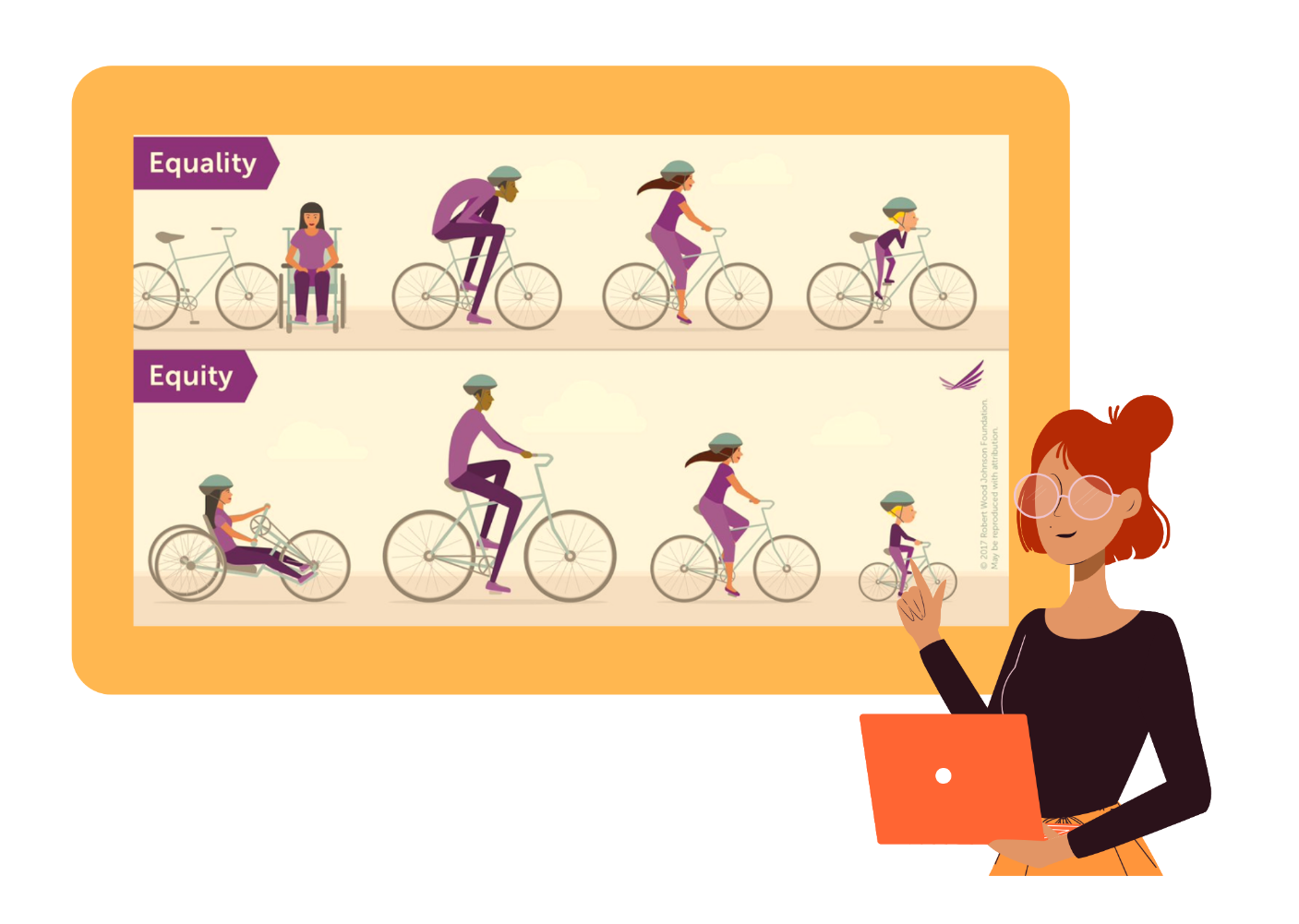
Equity is not the same as Equality
How are they different?
Equality means each individual or group of people is given the same resources or opportunities.
Equity recognises that each person has different circumstances and allocates the resources and opportunities needed to reach an equal outcome.
Supporting equity is about following steps like:
1. Be flexible and creative in your programs
2. Provide extra resources where necessary
3. Keep instructions clear of jargon
4. Find out about cultural differences and expectations